The Complete Guide to Healthcare & Insurance in Korea for Foreigners
Key Takeaways
- Korea’s healthcare system is world-class and affordable — a basic doctor’s visit costs ₩5,000–₩15,000 (~$4–$11) with insurance
- Foreigners staying 6+ months must enroll in the National Health Insurance (NHI), covering about 60–70% of medical costs
- For emergencies, call 119 (ambulance) or 1339 (24-hour medical consultation in English, Chinese, and other languages)
- No appointment needed at local clinics — just walk in with your ID or insurance card
- Short-term visitors should get travel insurance before arrival since NHI doesn’t cover tourists
If you’re planning to live in, study in, or even just visit Korea, one of the smartest things you can do is understand how the healthcare system works. Because here’s the good news: Korea has one of the best healthcare systems in the world — and it’s remarkably affordable, even without insurance.
Unlike many Western countries where a single ER visit can bankrupt you, Korea’s system is designed to keep costs low for everyone. MRI scans for under $200. A doctor’s visit for $5. Prescription medication for pocket change.
But the system has its own rules and quirks that can confuse newcomers. This guide walks you through everything — from insurance enrollment to finding a doctor to handling emergencies.
National Health Insurance: The Backbone of Korean Healthcare
Korea operates a single-payer national health insurance system called the National Health Insurance Service (NHIS). It covers roughly 60–70% of most medical expenses, and nearly every hospital, clinic, and pharmacy in Korea accepts it.
Who Must Enroll?
| Status | Required? | How to Enroll |
|---|---|---|
| Employee (E-1 to E-7 visa) | Yes, automatic | Your employer enrolls you from day one |
| Student (D-2 visa, 6+ months) | Yes, mandatory | Register at NHIS or through your university |
| Long-term resident (F-series visa) | Yes, mandatory | Register at NHIS office with Alien Registration Card |
| Working holiday (H-1 visa) | Yes, if staying 6+ months | Register at NHIS office |
| Short-term visitor (C-3, B-1/B-2) | No | Not eligible — get travel insurance instead |
Since July 2019, all foreigners staying 6 months or longer are required to enroll in NHI. This applies even if you’re a student.
How Much Does It Cost?
- Employees: Approximately ₩130,000–₩200,000/month, split 50/50 between you and your employer (so you pay about ₩65,000–₩100,000)
- Self-employed / Students: Around ₩150,000–₩200,000/month (you pay the full amount)
- Regional subscribers (no employer): Based on income, property, and other factors — minimum around ₩150,000/month for most foreign residents
The exact amount depends on your income and circumstances. For most English teachers on E-2 visas, expect to pay around ₩70,000–₩90,000/month (with employer matching).
What Does NHI Cover?
- Outpatient visits (clinics and hospitals)
- Inpatient care (hospitalization, surgery)
- Prescription medication
- Diagnostic tests (blood tests, X-rays, CT, MRI — with copay)
- Maternity and prenatal care
- Mental health consultations
- Dental care (basic — cleanings, fillings, extractions)
What it doesn’t cover well (or at all):
- Cosmetic procedures
- Advanced dental work (implants, orthodontics)
- Certain non-essential treatments
- Private/VIP hospital rooms (standard rooms are covered)
How to Visit a Hospital in Korea
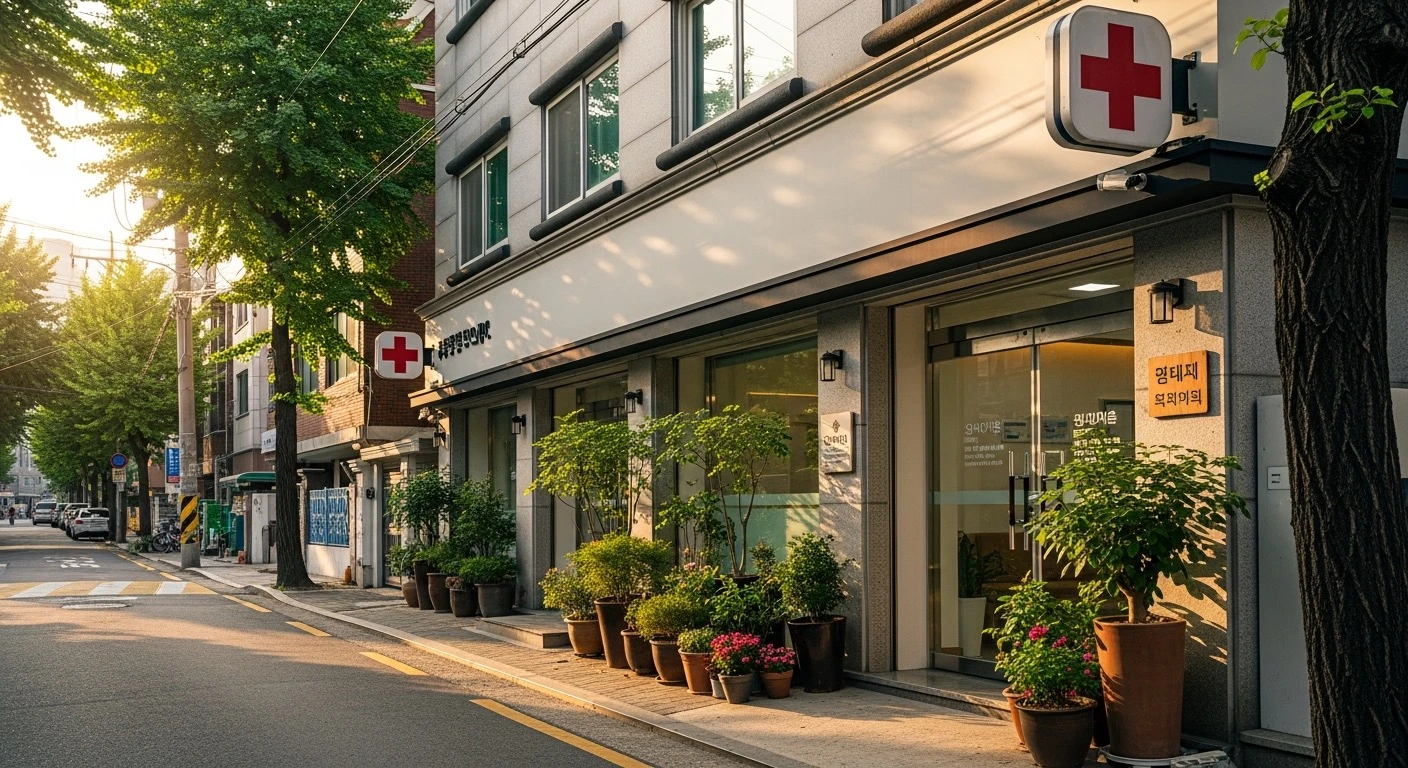
Korea’s hospital system has three tiers, and knowing which one to use saves you time and money.
The Three Tiers
| Tier | Korean Name | When to Go | Cost (with NHI) | Example |
|---|---|---|---|---|
| Local Clinic | Uiwon | Cold, flu, minor injuries, regular checkups | ₩5,000–₩15,000 | Neighborhood internal medicine, ENT, dermatology |
| General Hospital | Byeongwon | Conditions needing specialists or diagnostic equipment | ₩15,000–₩40,000 | Mid-size hospitals with multiple departments |
| University Hospital | Daehak Byeongwon | Serious conditions, complex surgery, referrals | ₩20,000–₩60,000+ | Seoul National University Hospital, Severance, Asan |
The Golden Rule: Start at a Local Clinic
For most issues, go to a local clinic first. They’re everywhere — literally on every other block in Korean neighborhoods. Benefits:
- No appointment needed. Just walk in during business hours.
- Very fast. Wait times are usually 10–30 minutes.
- Very cheap. A basic visit costs ₩5,000–₩15,000 with NHI.
- If needed, the clinic doctor will give you a referral to a larger hospital.
Important: If you go directly to a university hospital without a referral, you’ll pay an additional non-referral surcharge (₩10,000–₩50,000+). Always start small unless it’s an emergency.
What to Bring
- Alien Registration Card (ARC) or passport
- NHI card (if you have one — your ARC number works too)
- Cash or card for copay (most clinics accept cards)
- A description of your symptoms (a translation app helps — try Papago or Google Translate)
Booking Appointments at Larger Hospitals
For general and university hospitals:
- Phone: Call the hospital directly (many have English-speaking staff)
- Apps: Some hospitals have their own apps. You can also try the Kakao Hospital Appointment feature in KakaoTalk
- Walk-in: Possible at many hospitals, but expect longer waits
- International clinics: Major hospitals in Seoul have dedicated international clinics with English, Chinese, and Japanese support
The Pharmacy System
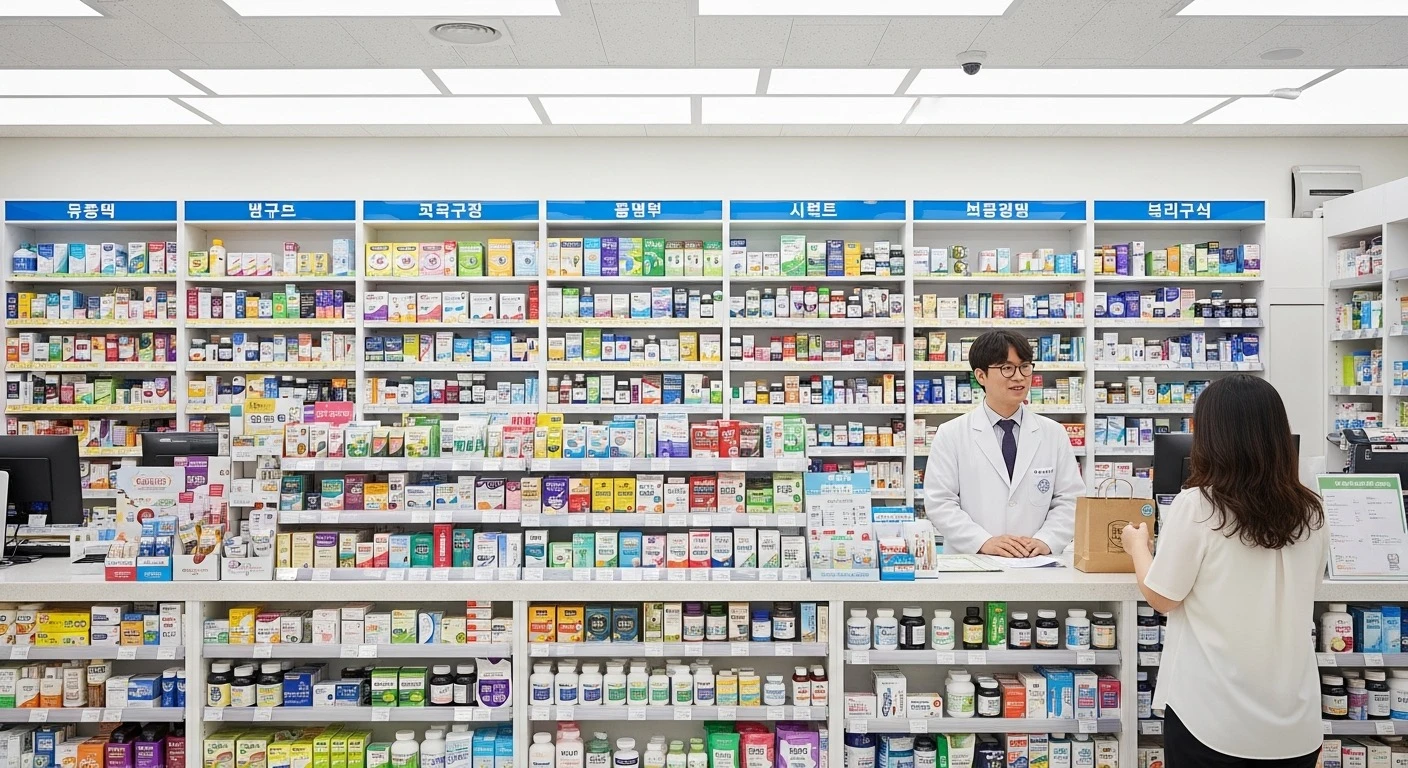
Korea separates prescribing and dispensing. This means:
- The doctor diagnoses you and writes a prescription
- You take the prescription to a pharmacy to get your medication
- The pharmacy fills it — usually in under 5 minutes
What You Can Buy Without a Prescription
Korean pharmacies sell some over-the-counter (OTC) medications without a prescription:
- Pain relievers (Tylenol, ibuprofen)
- Cold and flu medicine
- Digestive medicine (stomach ache, diarrhea)
- Allergy medicine (antihistamines)
- Topical creams and ointments
- Bandages and basic first aid supplies
What you CANNOT buy without a prescription:
- Antibiotics
- Sleeping pills
- Strong painkillers
- Most chronic condition medications
Pharmacy Costs
Prescription medication is incredibly cheap in Korea. With NHI, a typical prescription for cold/flu medicine costs ₩3,000–₩5,000 (about $2–$4). Even without insurance, most prescriptions are under ₩20,000.
Tip: Pharmacies are everywhere — look for the green cross sign. Many are open until 9–10 PM, and a few 24-hour pharmacies exist near major hospitals and in areas like Myeongdong and Gangnam.
Emergency Situations: What to Do
Emergency Numbers
| Number | Service | Language |
|---|---|---|
| 119 | Fire & Ambulance (emergency) | Korean (interpreter available) |
| 1339 | Medical consultation hotline | English, Chinese, Japanese, Vietnamese available 24/7 |
| 112 | Police | Korean (interpreter available) |
| 120 | Seoul Dasan Call Center | English available |
When to Call 119
Call 119 for:
- Chest pain, difficulty breathing, stroke symptoms
- Severe injuries or accidents
- Loss of consciousness
- Severe allergic reactions
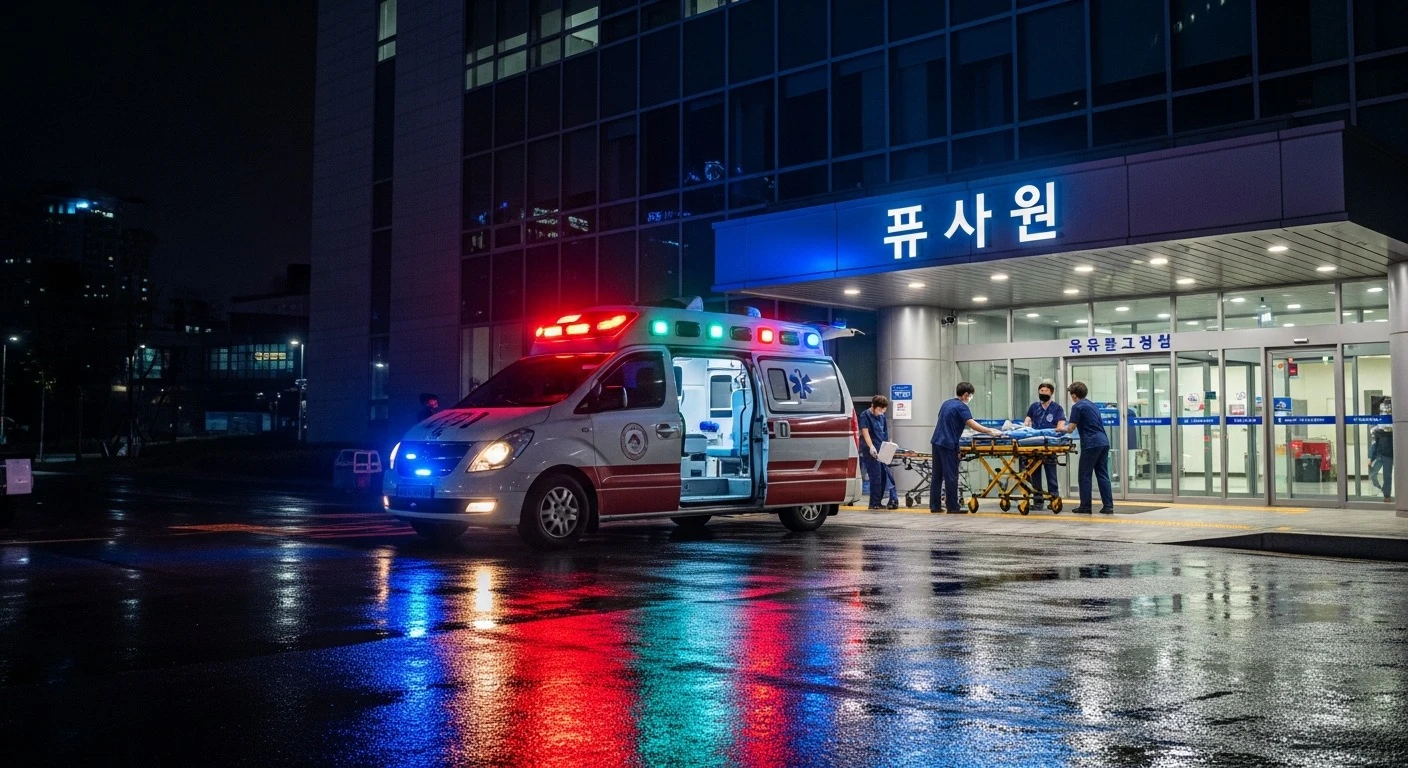
The ambulance service is free in Korea. Paramedics will take you to the nearest hospital with an available emergency room.
Emergency Room (ER) Costs
Even without insurance, ER visits in Korea are far more affordable than in many Western countries:
| Service | With NHI | Without NHI |
|---|---|---|
| ER consultation fee | ₩15,000–₩30,000 | ₩40,000–₩80,000 |
| Basic blood tests | ₩10,000–₩20,000 | ₩30,000–₩60,000 |
| X-ray | ₩5,000–₩10,000 | ₩15,000–₩30,000 |
| CT scan | ₩50,000–₩100,000 | ₩200,000–₩400,000 |
| Overnight stay (standard room) | ₩30,000–₩60,000/night | ₩100,000–₩200,000/night |
The 1339 Lifeline
If you’re unsure whether your situation is an emergency, call 1339 first. This is a 24-hour medical consultation hotline operated by the Korea Centers for Disease Control. They can:
- Advise whether you need to go to the ER
- Help you find a nearby hospital or clinic
- Provide medical guidance in English, Chinese, Japanese, and Vietnamese
- Connect you with an interpreter if needed
- Note: The 119 emergency line also now offers multilingual medical interpretation services directly
Dental, Eye Care & Specialized Treatment
Dental Care
Korea is famous for excellent, affordable dental care. Here’s what typical procedures cost:
| Procedure | With NHI | Without NHI / Not Covered |
|---|---|---|
| Regular checkup & cleaning | ₩15,000–₩30,000 | ₩30,000–₩50,000 |
| Cavity filling | ₩20,000–₩50,000 | ₩50,000–₩100,000 |
| Tooth extraction | ₩10,000–₩30,000 | ₩30,000–₩80,000 |
| Root canal | ₩30,000–₩70,000 | ₩100,000–₩300,000 |
| Dental implant (per tooth) | Not covered by NHI | ₩800,000–₩1,500,000 |
| Orthodontics (braces) | Not covered by NHI | ₩3,000,000–₩6,000,000 |
NHI covers basic dental care (checkups, cleanings, fillings, extractions) but does not cover implants, orthodontics, or cosmetic dental procedures.
Eye Care
| Service | Typical Cost |
|---|---|
| Eye exam | ₩10,000–₩20,000 |
| Glasses (frame + lenses) | ₩50,000–₩200,000 |
| Contact lenses (monthly, per box) | ₩15,000–₩30,000 |
| LASIK surgery | ₩1,000,000–₩2,500,000 per eye |
Korea is a popular destination for LASIK and other vision correction surgeries due to high quality and competitive prices compared to Western countries.
Dermatology
Dermatology clinics are extremely common in Korea. Basic skin consultations are covered by NHI (₩5,000–₩15,000 copay). Cosmetic procedures (Botox, laser treatments) are not covered and vary widely in price.
Complete Medical Cost Reference
Here’s a comprehensive breakdown of what common medical services cost in Korea:
| Service | With NHI | Without NHI |
|---|---|---|
| General clinic visit (cold/flu) | ₩5,000–₩15,000 | ₩20,000–₩40,000 |
| Prescription medication (cold) | ₩3,000–₩5,000 | ₩10,000–₩20,000 |
| Blood test (basic panel) | ₩10,000–₩20,000 | ₩30,000–₩60,000 |
| X-ray | ₩5,000–₩10,000 | ₩15,000–₩30,000 |
| MRI scan | ₩100,000–₩200,000 | ₩400,000–₩700,000 |
| CT scan | ₩50,000–₩100,000 | ₩200,000–₩400,000 |
| Ultrasound | ₩15,000–₩30,000 | ₩40,000–₩80,000 |
| Dental cleaning | ₩15,000–₩30,000 | ₩30,000–₩50,000 |
| ER visit (consultation) | ₩15,000–₩30,000 | ₩40,000–₩80,000 |
| Hospitalization (per night, standard) | ₩30,000–₩60,000 | ₩100,000–₩200,000 |
Prices are approximate and may vary by hospital and region. Seoul hospitals tend to be at the higher end of each range.
Travel Insurance for Short-Term Visitors
If you’re visiting Korea for less than 6 months (tourist visa), you won’t be eligible for NHI. Travel insurance is strongly recommended.
What to Look For
A good travel insurance policy for Korea should cover:
- Medical expenses: At least $100,000 coverage
- Emergency evacuation: In case you need to be transported to another facility or country
- Trip cancellation/interruption
- Lost or delayed baggage
- Dental emergencies: Some policies include basic dental coverage
Popular Options
- World Nomads: Flexible, covers adventure activities
- SafetyWing: Popular with digital nomads, affordable monthly plans
- Allianz Travel Insurance: Comprehensive coverage, well-known globally
- Your credit card: Some premium cards include travel medical insurance — check before buying separate coverage
Important Tips
- Buy insurance BEFORE you arrive. Most policies must be purchased before your trip begins.
- Keep all receipts. Korean hospitals provide detailed receipts — save them for your insurance claim.
- Know your policy number. Have it easily accessible on your phone.
- Korea is affordable even without insurance. A basic clinic visit costs ₩20,000–₩40,000 ($15–$30) without NHI. You might not need to file a claim for minor visits.
Foreigner-Friendly Hospitals in Seoul
These hospitals have dedicated international clinics with English-speaking staff:
Major International Clinics
- Severance Hospital International Health Care Center (Sinchon) — Part of Yonsei University. Full range of specialties, English/Chinese/Japanese/Russian support.
- Samsung Medical Center International Clinic (Gangnam) — One of Korea’s top hospitals. Extensive multilingual services.
- Asan Medical Center International Healthcare Center (Songpa) — Korea’s largest hospital by patient volume. Strong in cardiology and oncology.
- Seoul National University Hospital International Healthcare Center (Jongno) — Korea’s top-ranked hospital. Full spectrum of care.
Smaller Foreigner-Friendly Clinics
- International Clinic (Itaewon) — English-speaking general practice in Itaewon. Popular with expats for over 20 years.
- Gangnam Severance Hospital — Another Yonsei-affiliated hospital in Gangnam with strong international services.
- SMG-SNU Boramae Medical Center — Offers international patient services with English coordination.
Tip: Even at hospitals without formal international clinics, many younger Korean doctors speak English well. Don’t be afraid to visit a regular neighborhood clinic — the language barrier is often smaller than you’d expect.
Tips for a Smooth Hospital Experience
- Download Papago or Google Translate. The camera translation feature lets you point your phone at Korean text (forms, signs, medicine labels) and get instant translations.
- Bring your ARC or passport to every visit. It’s required for registration, even at small clinics.
- Payments are made after your visit. You see the doctor first, then pay at the front desk on your way out. Korean healthcare operates on a “treatment first, payment after” system.
- Pharmacies are always nearby. Most hospital buildings have a pharmacy on the ground floor or right next door. Look for the green cross sign.
- Save the 1339 number. Program it into your phone on day one. It’s the most useful medical resource for foreigners in Korea.
- Don’t skip follow-ups. Korean doctors often schedule follow-up visits. These are typically very short (5–10 minutes) and inexpensive, and they’re important for proper care.
Have questions about healthcare in Korea? Drop a comment below and we’ll help you figure it out!