The Ultimate Guide to Korean Convenience Stores: Way More Than Just a Quick Stop
Key Takeaways
- Korean convenience stores (CU, GS25, 7-Eleven, emart24) are everywhere — over 50,000 nationwide — and open 24/7
- They serve hot, freshly made meals like gimbap, ramen, fried chicken, and tteokbokki for under ₩5,000
- Look for 1+1 (buy one get one free) and 2+1 deals to save serious money on snacks and drinks
- Beyond food, you can use ATMs, send packages, print documents, charge your T-money card, and even buy concert tickets
- The outdoor seating culture means you can grab a meal and eat right there — it's totally normal and even encouraged
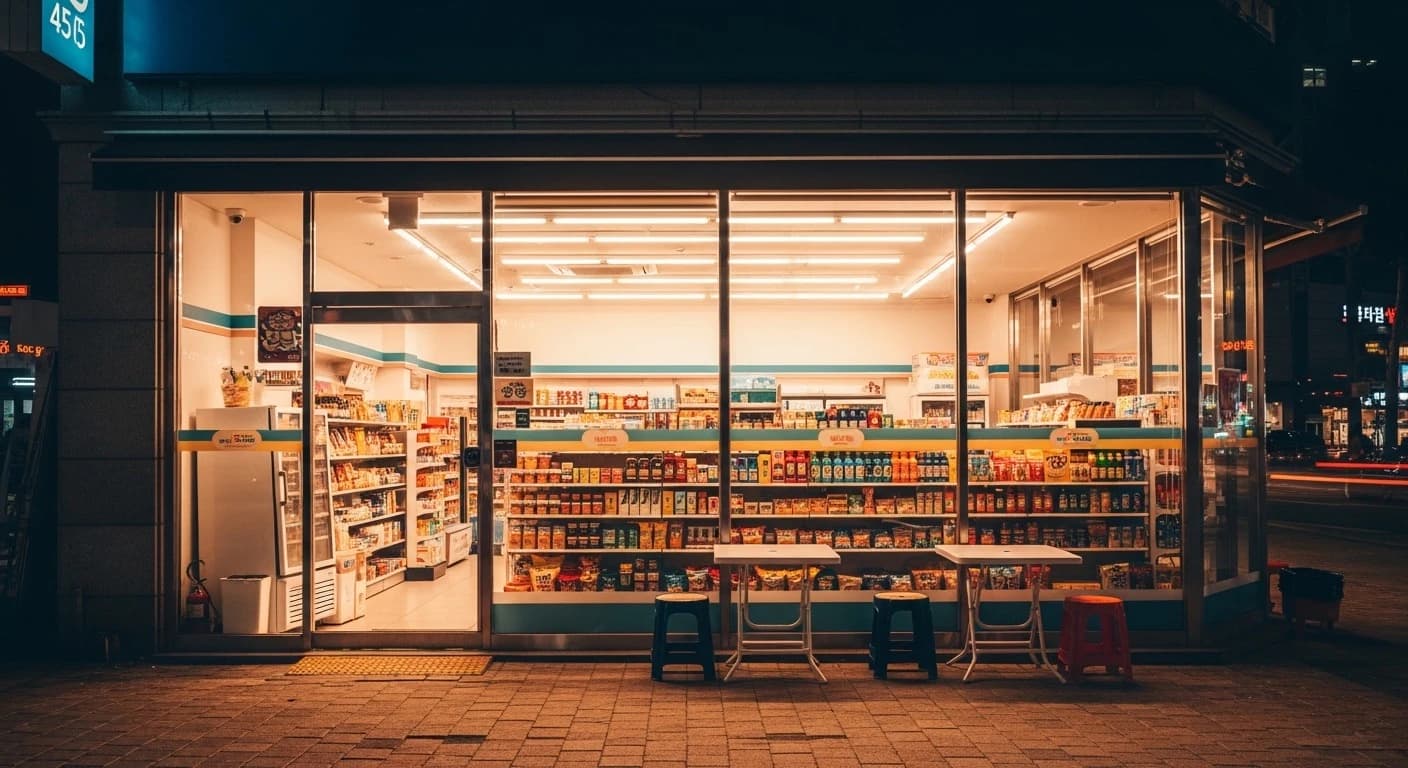
Walk into a convenience store back home and you'll find chips, soda, maybe a sad pre-wrapped sandwich. Walk into a Korean convenience store and you'll find a full hot meal station, a ramen cooking bar with free hot water, an entire wall of snacks you've never seen before, an ATM, a package delivery kiosk, and probably someone casually enjoying soju and fried chicken at the table outside. At 2 AM.
Korean convenience stores aren't just stores. They're a lifestyle.
With over 50,000 locations across the country (that's roughly one for every 1,000 people), you're never more than a few steps away from one. And for budget travelers, they might become your favorite place to eat in Korea.
The Big Four: Korean Convenience Store Brands
You'll see these four brands everywhere in Korea. While they carry many of the same products, each has its own personality:
CU — The largest chain in Korea. Known for strong private-label products and creative collaborations. Their "Get" brand lunch boxes are popular among locals.
GS25 — A close second in store count and a fan favorite. Famous for high-quality fresh food and trendy limited-edition snacks. Their cafe line "Cafe25" serves surprisingly good coffee.
7-Eleven — Yes, it's the same global brand, but the Korean version is completely different from what you know. Better food, better snacks, and fully integrated into Korea's convenience culture. 7-Eleven recently acquired Ministop, so many former Ministop locations are now 7-Eleven stores.
emart24 — Backed by the Shinsegae retail group (the same company behind Starfield malls). Slightly fewer stores but often in prime locations. Known for competitive pricing.
For everyday purposes, they're largely interchangeable. But it's fun to try different chains and discover each one's specialties.
Must-Try Convenience Store Food
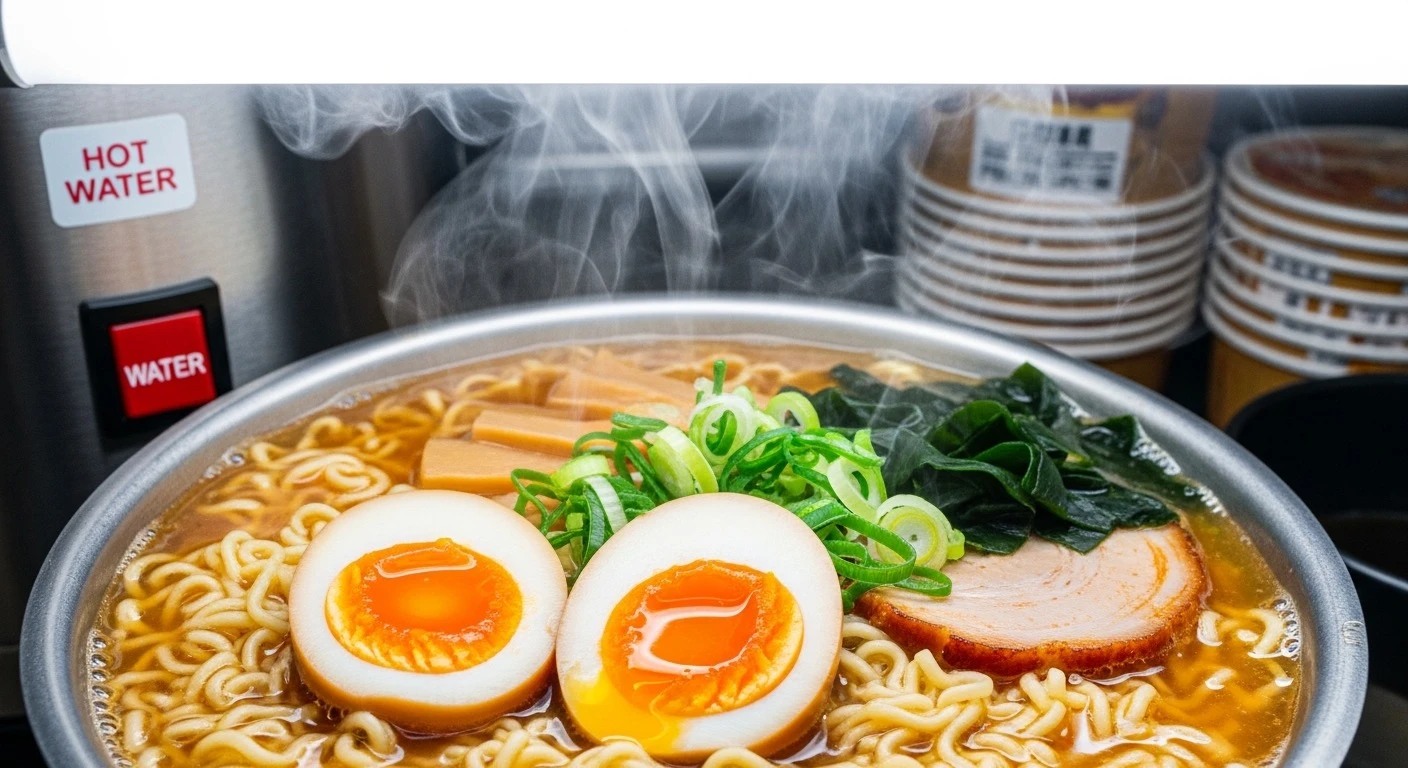
This is where Korean convenience stores truly shine. Forget everything you know about "gas station food." Korean convenience store meals are genuinely delicious, cheap, and sometimes even Instagram-worthy.
Samgak-gimbap (Triangle Kimbap) — ₩1,200~₩1,800
The icon of Korean convenience stores. These triangle-shaped seaweed rice wraps come with fillings like tuna mayo, spicy chicken, bulgogi, or kimchi. The packaging has a clever pull-tab system (pull the number tabs 1-2-3) that separates the crispy seaweed from the rice until you're ready to eat. Once you master the opening technique, you'll be grabbing two or three every morning.
Dosirak (Lunch Boxes) — ₩3,500~₩5,500
Full meals in a box: rice, meat, side dishes, and sometimes even soup. Heat them up in the in-store microwave and you've got a proper Korean lunch for the price of a fancy coffee at home. Popular options include bulgogi, chicken katsu, bibimbap, and kimchi jjigae sets.
Instant Ramen Cooking Station — ₩1,500~₩2,500
Most Korean convenience stores have a dedicated ramen section with a hot water dispenser (and sometimes an actual cooking station with burners). Buy your ramen, fill it with hot water, add the seasoning packet, wait three minutes, and you're eating. Some stores even provide eggs, green onions, and rice to add. The experience of slurping steaming ramyeon at a convenience store at midnight is a core Korean experience.
Hot Food Counter
Many stores have a heated display case near the register with ready-to-eat items:
- Fried chicken (₩2,000~₩3,000 for 2-3 pieces) — Crispy, seasoned, and dangerously good
- Tteokbokki (₩2,500~₩3,000) — Spicy rice cakes in a cup
- Corn dogs (₩1,500~₩2,000) — Often coated in french fries or mozzarella
- Steamed buns (₩1,200~₩1,500) — Filled with red bean, pizza, or meat
- Sundae (₩2,500~₩3,000) — Korean blood sausage (don't knock it till you try it)
Freshly Made Sandwiches and Salads — ₩2,500~₩4,500
Korean convenience store sandwiches are nothing like the rubbery ones you might be used to. They're made with thick, soft bread and generous fillings — egg salad, ham and cheese, strawberry cream. The egg sandwich, in particular, has achieved cult status.
Popular Snacks and Drinks You Need to Try
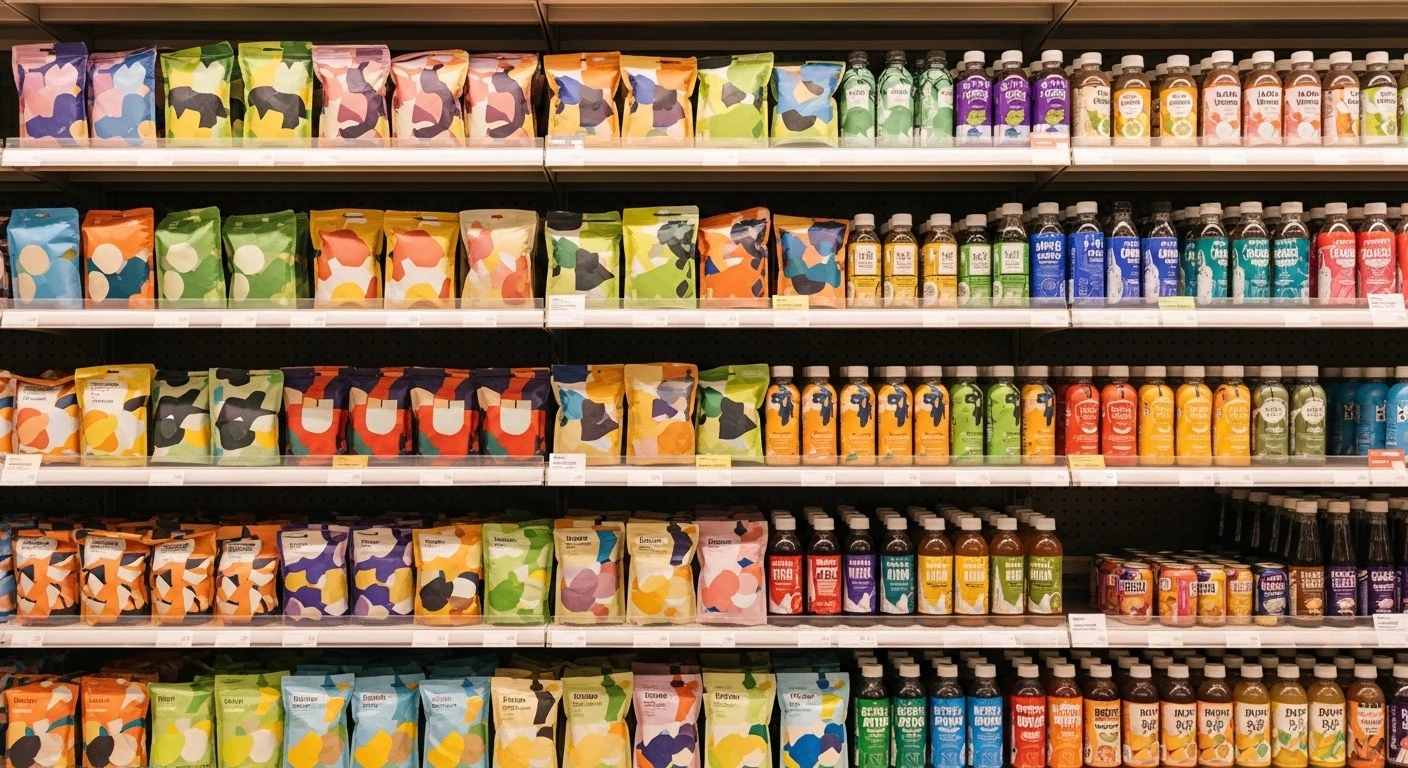
Must-Try Drinks
- Banana-mat Uyu (Banana Milk) — ₩1,700. The unofficial national drink of Korea. Sweet, creamy, banana-flavored milk in an iconic stubby bottle. Available in strawberry and chocolate versions too, but banana is the original and the best.
- Soju — ₩1,800~₩2,500. Korea's famous green-bottle spirit. Available in original and fruit flavors (peach, grape, grapefruit). At 16-17% ABV, it's smoother than you'd expect. The convenience store is the cheapest place to buy it.
- Korean Beer — ₩2,000~₩3,500. Cass, Hite, and Terra are the big domestic brands. Craft options are expanding. Grab a few cans and join Koreans drinking outside the store — it's a totally normal thing to do.
- Cafe Latte / Iced Americano — ₩1,500~₩2,000. Most chains have their own coffee brand. GS25's Cafe25 and CU's Get Coffee are surprisingly good for the price.
- Melona Bars — ₩1,200. Melon-flavored ice cream bars that are quietly one of Korea's best dessert exports.
- Vitamin Water and Hangover Drinks — ₩2,000~₩3,000. Korea takes hangover recovery seriously. Look for "Condition" or "Dawn 808" — they're stocked right next to the alcohol.
Must-Try Snacks
- Honey Butter Chips — ₩2,000. The snack that caused a nationwide shortage when it launched. Sweet, salty, buttery potato chips. Still wildly popular.
- Choco Pie — ₩3,500 (box of 12). Chocolate-covered marshmallow cakes. A Korean institution since 1974. Perfect for bringing home as souvenirs.
- Pepero — ₩1,500. Thin cookie sticks dipped in chocolate. Korea's answer to Pocky, and Koreans are fiercely loyal to their version.
- Buldak Ramen Snacks — ₩1,500. Dry noodle snacks based on the insanely spicy Buldak fire noodles. Great if you like pain.
- Dried Squid / Dried Mango — ₩3,000~₩4,000. Classic Korean drinking snacks. The dried squid pairs perfectly with beer.
- Tteok (Rice Cakes) — ₩2,000~₩3,000. Individually wrapped sweet rice cakes in flavors like red bean, sesame, and injeolmi (roasted soybean powder).
Cracking the Code: 1+1 and 2+1 Deals
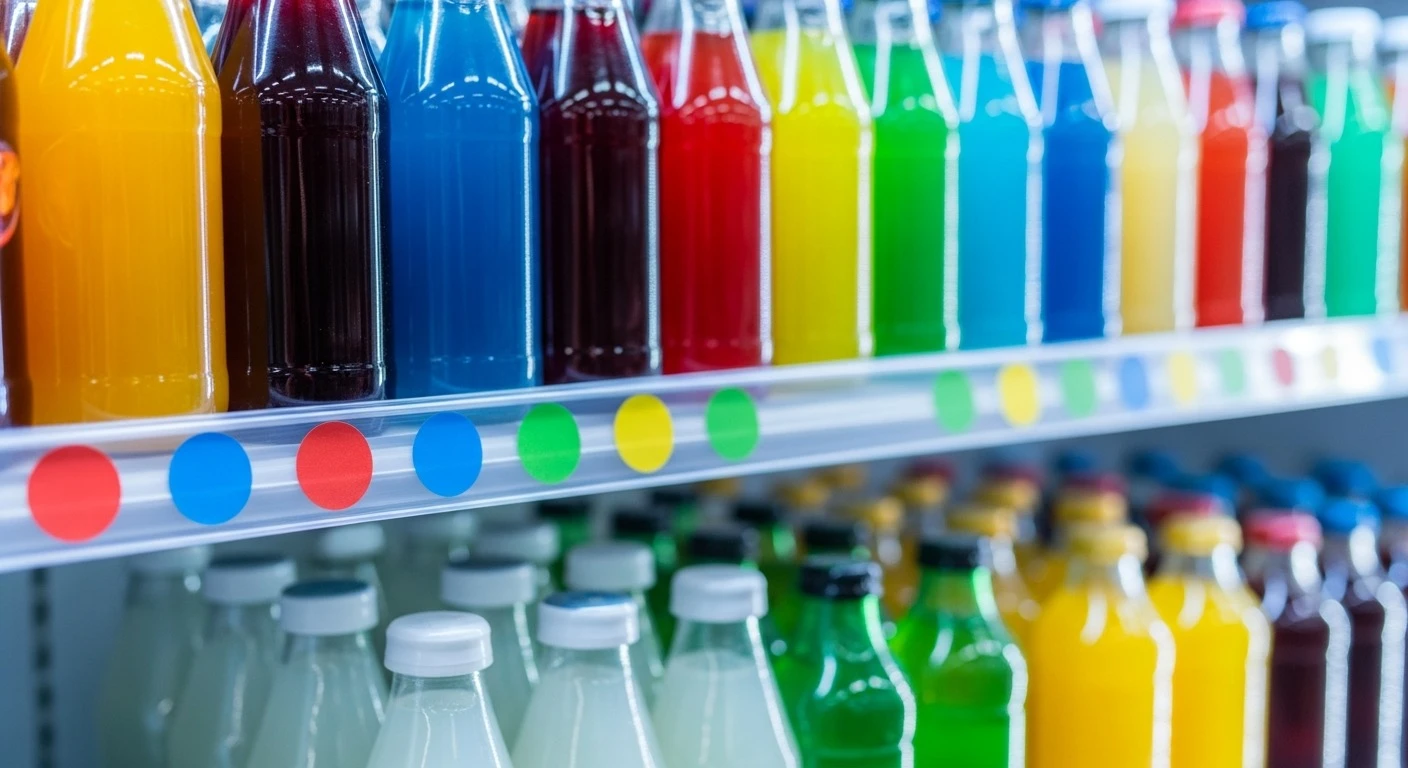
Here's a secret that can save you a lot of money: Korean convenience stores run aggressive promotional deals that are way better than anything you'll find in most countries.
What Do the Numbers Mean?
- 1+1: Buy one, get one free. Literally. You pick up two items, scan both, and pay for one. The sticker on the shelf or product says "1+1."
- 2+1: Buy two, get a third one free. Same concept, just three items instead of two.
How to Spot Deals
- Look for bright yellow or red stickers on the shelf tags
- Products in the deal will have stickers directly on their packaging
- The deals change regularly (usually monthly), so different items are on promotion each time you visit
- Pro tip: If you can't find a second item with the same 1+1 sticker, ask the cashier — sometimes the matching item is in a different location, or you can choose a different flavor/variant of the same product
Deal Strategy for Travelers
- Traveling solo? 1+1 water and drinks are great — you'll need hydration anyway
- Traveling with someone? Split 1+1 deals on everything — snacks, drinks, gimbap
- Stocking up? 2+1 on canned coffee, banana milk, or beer is incredibly cheap per unit
These deals can easily cut your snack budget by 30-50%. Koreans actively shop around different chains to find the best monthly promotions.
The Convenience Store Eating Culture
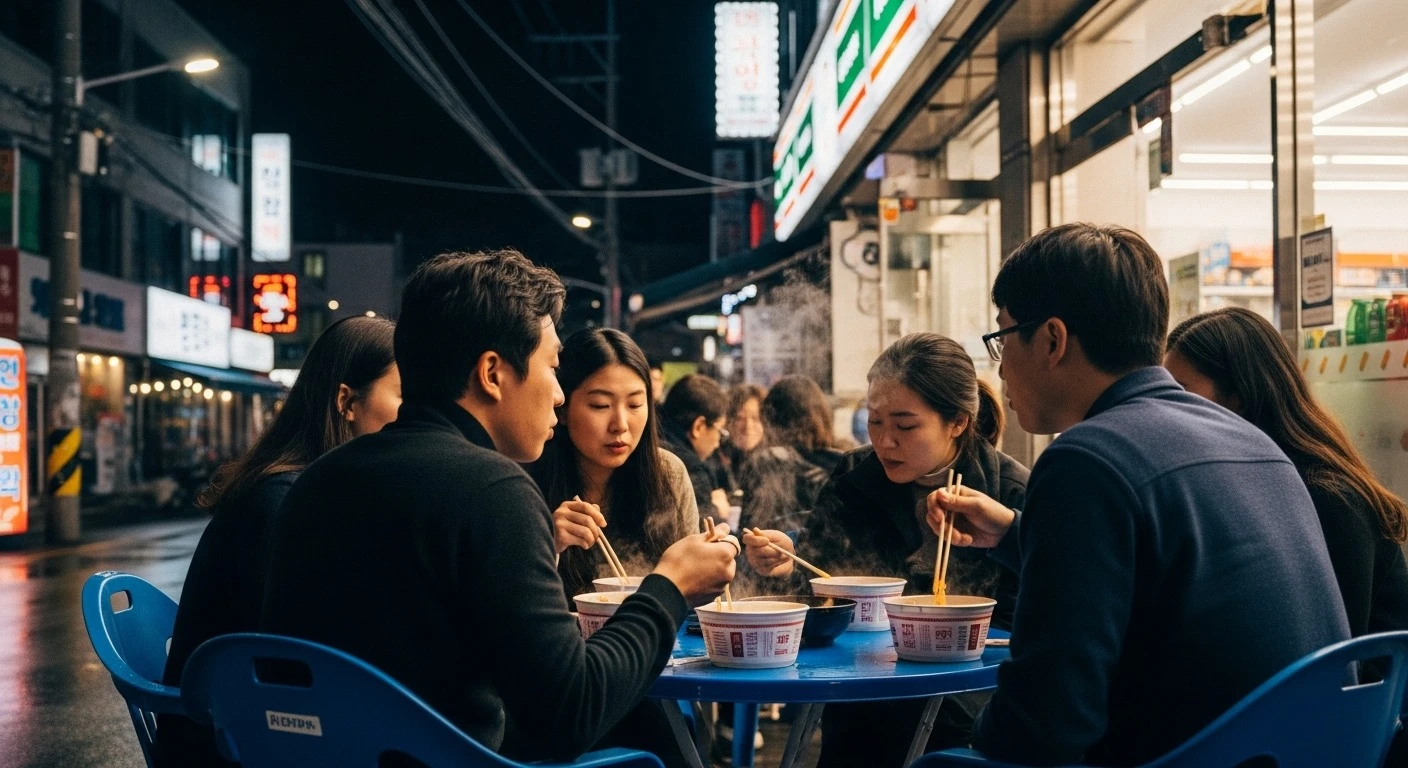
One thing that surprises many visitors: in Korea, eating at the convenience store is completely normal. It's not a sign of desperation or laziness — it's a legitimate meal option that people of all ages and incomes use daily.
Outdoor Seating (and Sometimes Indoor)
Most Korean convenience stores have:
- Plastic tables and chairs outside the storefront where you can sit and eat
- Some larger stores have indoor seating areas with counters and stools
- A few even have rooftop seating in trendy neighborhoods
There's zero stigma about sitting outside a convenience store eating ramyeon, drinking beer, or having a full dosirak dinner. University students, office workers on lunch break, couples on late-night dates, solo travelers — everyone does it.
The Late-Night Scene
Convenience stores become social hubs after dark. It's common to see groups of friends gathered around the outdoor tables with soju, beer, fried chicken, and snacks. If you're a solo traveler looking for a cheap, no-pressure late-night meal, the convenience store is your best friend. No reservations, no minimum orders, no judgment.
More Than Just Food: Services You Didn't Expect
Korean convenience stores double as service centers. Here's what else you can do:
Financial Services
- ATMs: Most stores have ATMs that accept international cards. Look for machines with "Global ATM" or "Foreign Card" labels. Fees are typically ₩1,000~₩3,000 per withdrawal.
- T-money charging: Recharge your transit card right at the counter.
- Mobile phone top-up: Prepaid SIM recharges available at all stores.
Delivery and Logistics
- Package delivery (택배): Send packages within Korea or receive online orders at the store for pickup. Major courier services (CJ Logistics, Hanjin) have drop-off points inside stores.
- International shipping: Some stores partner with international courier services.
Printing and Copying
- Multifunction printers: Print documents, boarding passes, or photos from USB drives or your phone. Available at most larger stores.
- Fax services: Still available for those who need it.
Tickets and Reservations
- Concert and event tickets: Buy tickets for K-pop concerts, musicals, and other events through in-store kiosks.
- Transit passes: Bus and rail tickets for intercity travel.
- Utility bill payments: Koreans pay gas, electric, and water bills at convenience stores.
Seasonal Specials: What to Look For
Korean convenience stores adjust their offerings with the seasons:
Summer (June-August)
- Ice cream bonanza: The ice cream freezer triples in size. Try Melona, Babambar, Screw Bar, and Samanco (fish-shaped ice cream sandwich)
- Bingsu cups (₩2,500~₩3,500): Shaved ice desserts in convenient cup form — red bean, mango, or Oreo flavors
- Cold noodles: Bibim-naengmyeon (spicy cold noodles) in a ready-to-eat cup
- Frozen fruit bars and smoothies: Refreshing and cheap
Winter (December-February)
- Hotteok (₩1,500): Sweet Korean pancakes filled with brown sugar and nuts
- Hoppang / Jjinppang (₩1,200~₩1,500): Steamed buns from the heated display case — red bean, vegetable, or pizza flavored
- Bungeoppang: Fish-shaped pastries filled with sweet red bean paste (from street vendor partners)
- Hot chocolate and corn tea: Warm drinks from the coffee machine
- Odeng (fish cake soup): Some stores have a self-serve fish cake soup station — grab a skewer, pour some broth, and warm up
Killer Combos: How Koreans Actually Eat at Convenience Stores
Koreans have perfected the art of the convenience store combo meal. Here are the fan favorites:
The Classic Ramen Combo — ~₩3,000
Instant ramyeon + triangle gimbap. Cook your ramen, unwrap the gimbap, and alternate between slurpy noodles and seaweed rice bites. This is THE convenience store combo in Korea. Some people crumble the gimbap into the ramen.
The Soju Night — ~₩8,000
A bottle of soju + fried chicken + dried squid. The quintessential Korean drinking setup, available at 2 AM for under $6. Add a few cans of beer for "somaek" (soju + beer mixed together).
The Budget Dinner — ~₩5,000
Dosirak (lunch box) + banana milk. A complete, satisfying dinner. Microwave the dosirak, grab a banana milk, and sit at the outdoor table.
The Breakfast Express — ~₩3,000
Egg sandwich + canned coffee. Quick, filling, and available at any hour.
The Sweet Tooth — ~₩4,000
Choco Pie + banana milk + Melona bar. The ultimate Korean convenience store dessert spread.
Practical Tips for Foreign Visitors
At the Counter
- You don't need a bag: Cashiers will ask if you want a bag (plastic bags cost ₩50~₩100). If you don't need one, say "괜찮아요" (gwen-chan-ah-yo), meaning "It's okay / I'm fine." You can also just wave your hand.
- Microwave is self-serve: Point to your food and ask "전자레인지?" (jeon-ja-rain-ji?) or just gesture toward the microwave. In most stores, you can use it yourself — the buttons are usually intuitive (time → start).
- Hot water: For ramen, the hot water dispenser is near the ramen shelf. It's free to use. Just press the button (careful — it's genuinely boiling).
- Chopsticks and spoons: Free at the counter. Just ask or grab from the dispenser. Wet wipes too.
Payment
- Card is king: Almost all convenience stores accept credit/debit cards and mobile payments. Samsung Pay works widely. Apple Pay is accepted at major franchise stores but not yet universally supported due to NFC terminal limitations. Cash works too, but card is easier.
- T-money works for purchases: Your transit card can be used to buy items at convenience stores (if you have enough balance).
- Tax-free shopping: Spending over ₩15,000 at stores with the "Tax Free" sign? You may be eligible for a tax refund as a tourist.
Finding Stores
- They're everywhere: In residential areas, near subway exits, on university campuses, inside office buildings, at bus stops. You won't have to look hard.
- Naver Map or KakaoMap: Search "편의점" (pyeon-ui-jeom) to find the nearest one. But honestly, just walk in any direction for about 30 seconds.
- Airport convenience stores: Both Incheon and Gimpo airports have convenience stores in the arrival halls — stock up before you even leave the airport.
Price Quick Reference
| Item | Price Range |
|---|---|
| Triangle gimbap | ₩1,200~₩1,800 |
| Dosirak (lunch box) | ₩3,500~₩5,500 |
| Instant ramen | ₩1,500~₩2,500 |
| Fried chicken (2-3 pcs) | ₩2,000~₩3,000 |
| Banana milk | ₩1,700~₩1,800 |
| Soju (bottle) | ₩1,800~₩2,500 |
| Beer (can) | ₩2,000~₩3,500 |
| Choco Pie (box) | ₩3,500 |
| Honey Butter Chips | ₩2,000 |
| Canned coffee | ₩1,000~₩2,000 |
| Ice cream bar | ₩1,200~₩2,000 |
| Egg sandwich | ₩2,500~₩3,000 |
| Water (500ml) | ₩800~₩1,000 |
A full convenience store meal typically costs ₩3,000~₩6,000 (about $2.20~$4.50). You could eat three meals a day here and spend less than $15.
First time exploring a Korean convenience store? Tell us what you discovered in the comments — we bet you found something that blew your mind!