6 Best Day Trips From Seoul: The Ultimate Guide for First-Time Visitors
Key Takeaways
- Nami Island and Gapyeong can be combined into one perfect day trip — take the ITX-Cheongchun train and you’re there in 1.5 hours
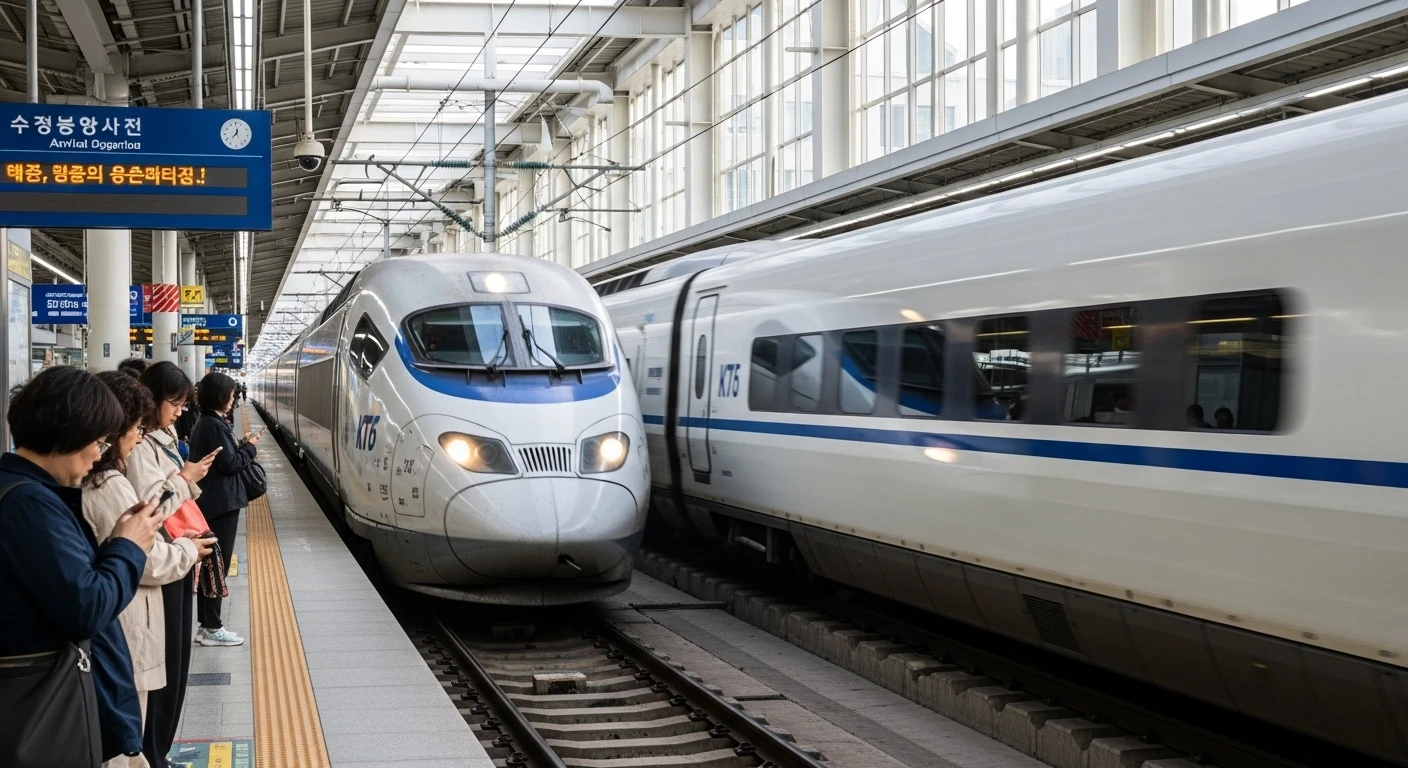
- Suwon and Incheon are the easiest day trips, reachable by regular subway (Line 1) in about an hour
- Gangneung’s KTX connection makes the East Coast surprisingly doable as a day trip, but an overnight stay lets you enjoy it properly
- The DMZ requires advance booking — you cannot visit independently, and you’ll need your passport
- Budget ₩10,000–₩30,000 for transport per day trip, with most destinations under ₩20,000 round trip
Seoul is incredible — but some of the best experiences in Korea are just a short train ride away. Whether you want autumn foliage on a dreamy island, a UNESCO fortress, East Coast beach vibes, or the world’s most heavily fortified border, you can do it all and be back in Seoul by dinner.
Here are six day trips that are easy to plan, affordable, and absolutely worth your time.
1. Nami Island (Namiseom)
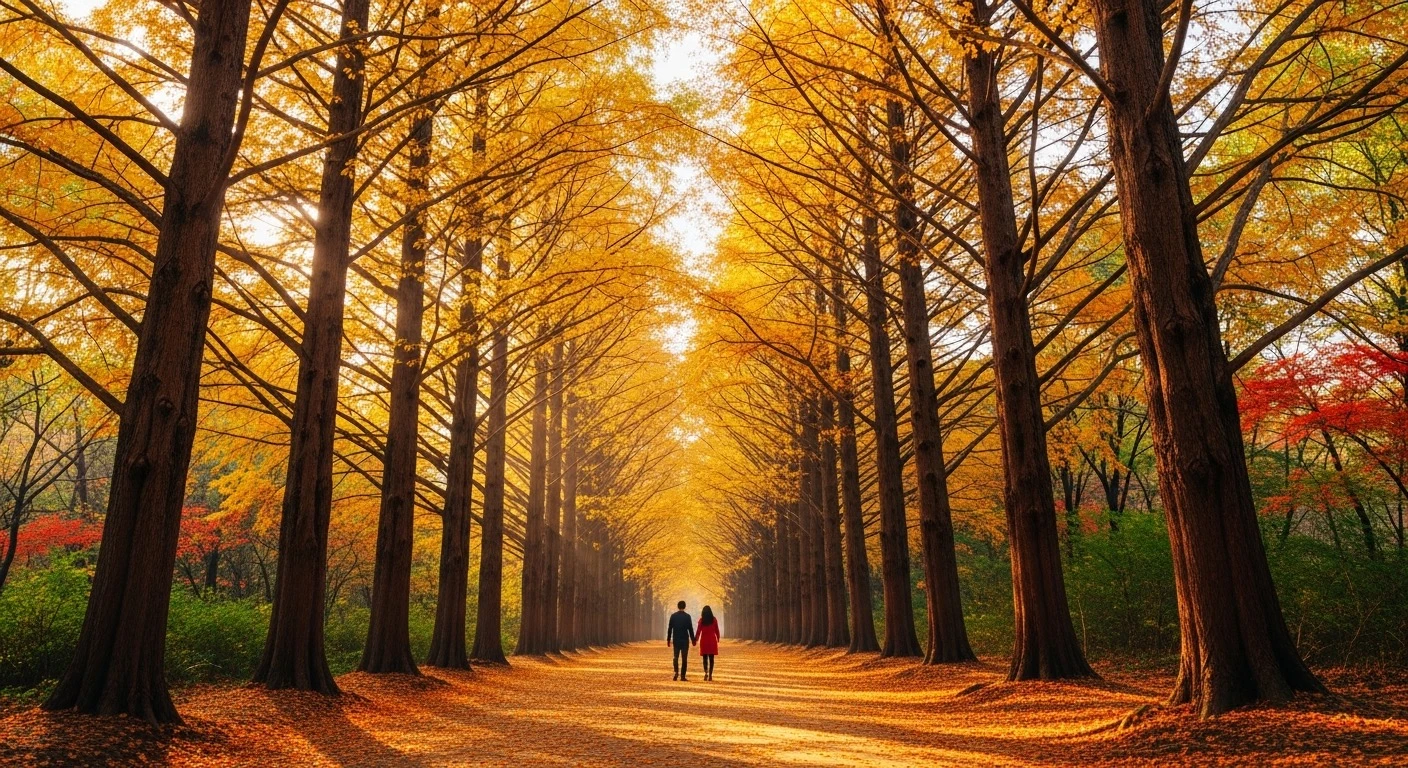
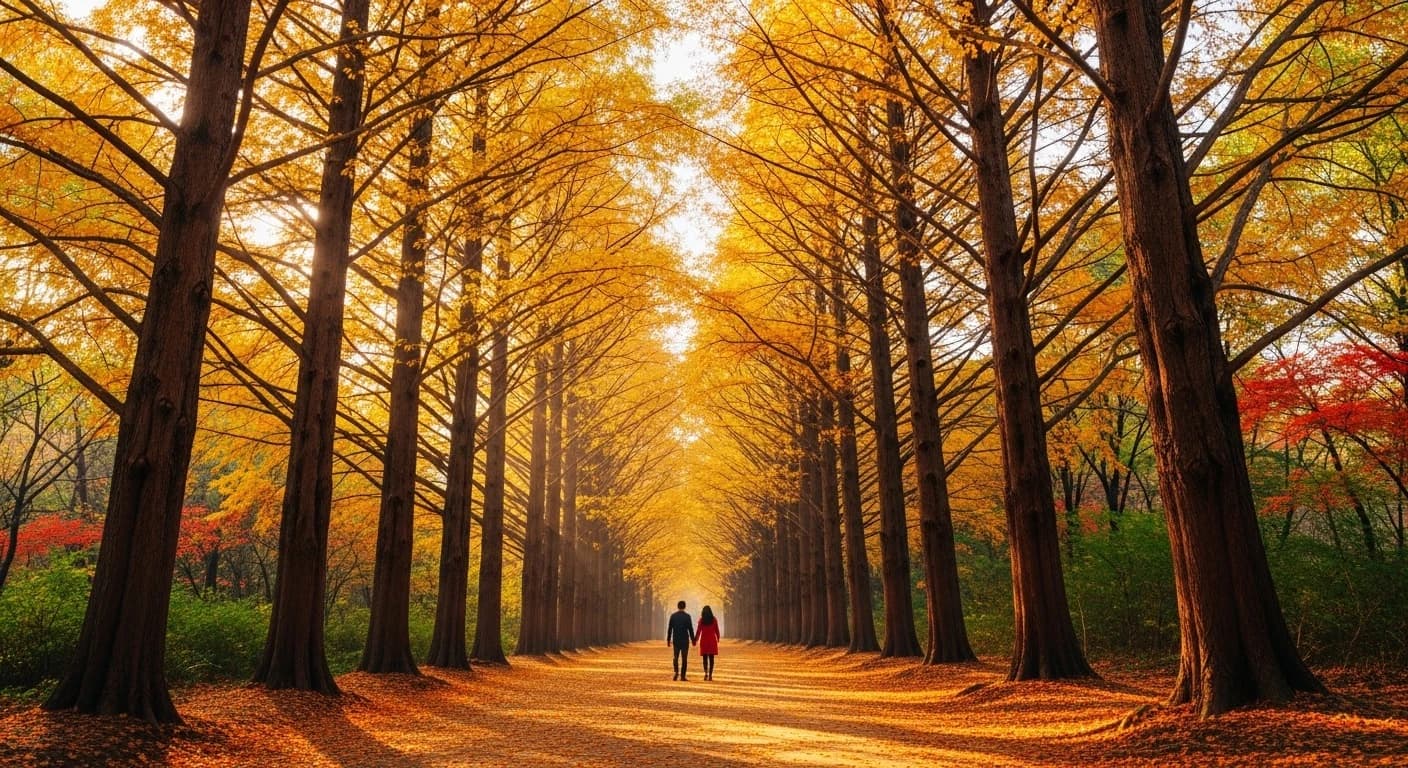
Nami Island is probably the most iconic day trip from Seoul, and for good reason. This crescent-shaped island in the middle of the Bukhan River is famous for its photogenic tree-lined paths — especially the Metasequoia Lane that became a pilgrimage site after the Korean drama Winter Sonata was filmed here in 2002.
How to Get There
The best way to reach Nami Island is by taking the ITX-Cheongchun train from Yongsan or Cheongnyangni Station to Gapyeong Station. The ride takes about 1 hour and 10 minutes and costs around ₩4,800 one way. From Gapyeong Station, take the shuttle bus or taxi (10 minutes) to the Nami Island wharf, then hop on the ferry (5 minutes, included in admission).
Alternatively, you can take the Gyeongchun Line subway from Sangbong Station to Gapyeong — it’s cheaper (₩2,000) but takes about 1 hour 40 minutes.
What to See and Do
- Metasequoia Lane: The iconic tree-lined path. Stunning in autumn (late October to mid-November) with golden-red foliage, and magical in winter with snow
- Bike the island: Rent a bicycle and cruise the flat, car-free paths around the entire island in about 40 minutes
- Winter Sonata filming locations: Even if you haven’t seen the drama, the bronze statues and filming spots are fun to find
- Seasonal events: Cherry blossoms in spring, green canopy in summer, fall foliage, and a winter snow festival
Practical Info
| Detail | Info |
|---|---|
| Admission | ₩16,000 (includes round-trip ferry) |
| Hours | 7:30 AM – 9:00 PM (last ferry varies by season) |
| Best season | Autumn (Oct–Nov), Winter (Dec–Feb) |
| Time needed | 3–4 hours on the island |
| Round-trip transport | ~₩9,600 (ITX) or ~₩4,000 (subway) |
2. Suwon Hwaseong Fortress
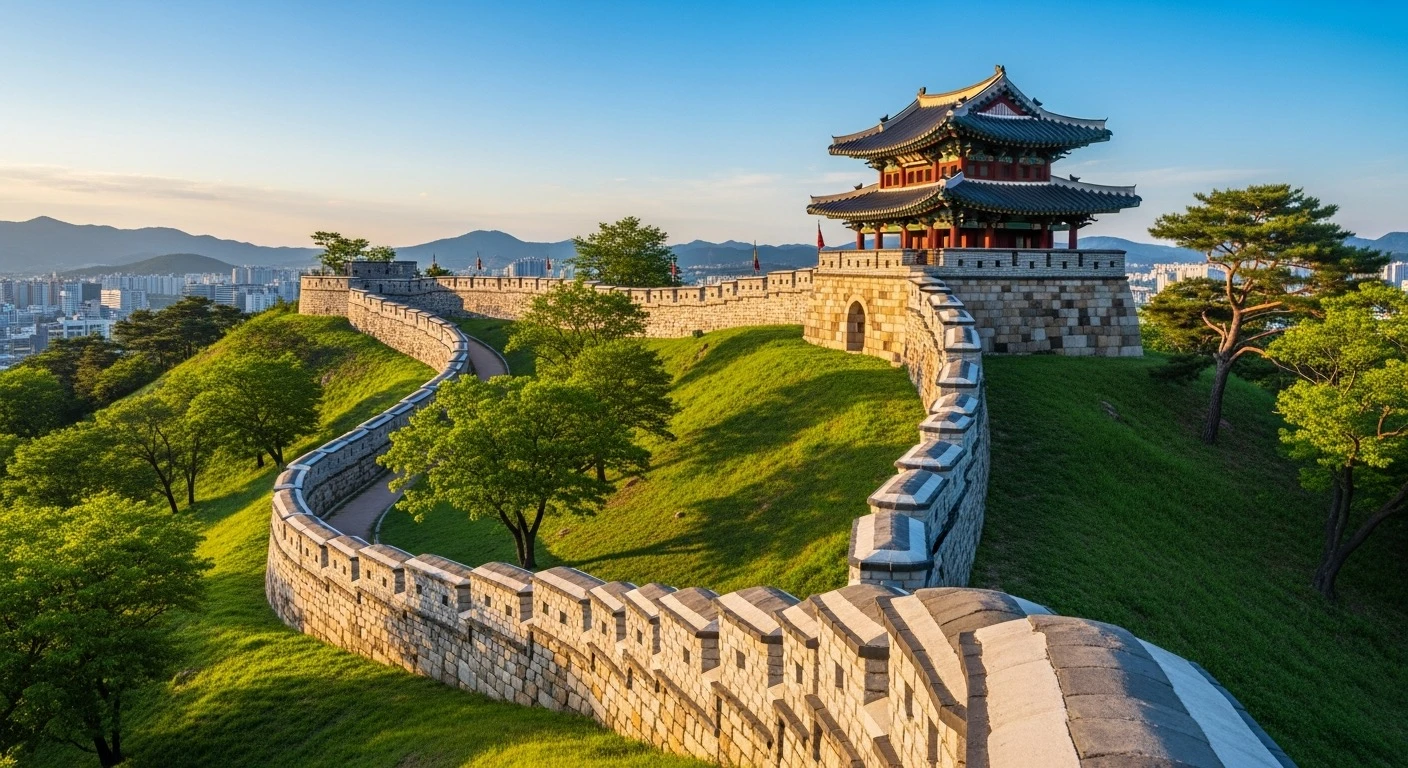
Suwon is one of the easiest day trips from Seoul, and it delivers a genuinely impressive historical experience. Hwaseong Fortress, a UNESCO World Heritage Site built in 1796, is a 5.7 km stone wall that encircles the old city center. Unlike most Korean fortresses that sit on remote mountaintops, Hwaseong wraps around a living, breathing city — and you can walk the entire wall.
How to Get There
Take Seoul Metro Line 1 from Seoul Station to Suwon Station. It takes about 1 hour and costs ₩2,050. That’s it — no transfers, no special tickets. From Suwon Station, it’s a 15-minute bus ride or 25-minute walk to the fortress.
What to See and Do
- Walk the fortress wall: The full 5.7 km loop takes about 2 hours. Highlights include the Hwahongmun Water Gate, Banghwasuryujeong Pavilion (the best photo spot), and the various guard towers
- Hwaseong Haenggung Palace: The temporary palace inside the fortress where King Jeongjo stayed. Catch the traditional martial arts performance if timing works out
- Suwon Chicken Street (Tongdak Golmok): After the fortress walk, reward yourself with Suwon’s famous fried chicken. The alley near Paldalmun Gate has been serving whole fried chickens since the 1970s
Practical Info
| Detail | Info |
|---|---|
| Fortress admission | ₩1,000 |
| Haenggung Palace | ₩1,500 |
| Hours | 9:00 AM – 6:00 PM (fortress wall open until sunset) |
| Best season | Spring (Apr–May), Autumn (Sep–Nov) |
| Time needed | Half day (4–5 hours) |
| Round-trip transport | ~₩4,100 (subway) |
3. Yangyang and Gangneung (East Coast)
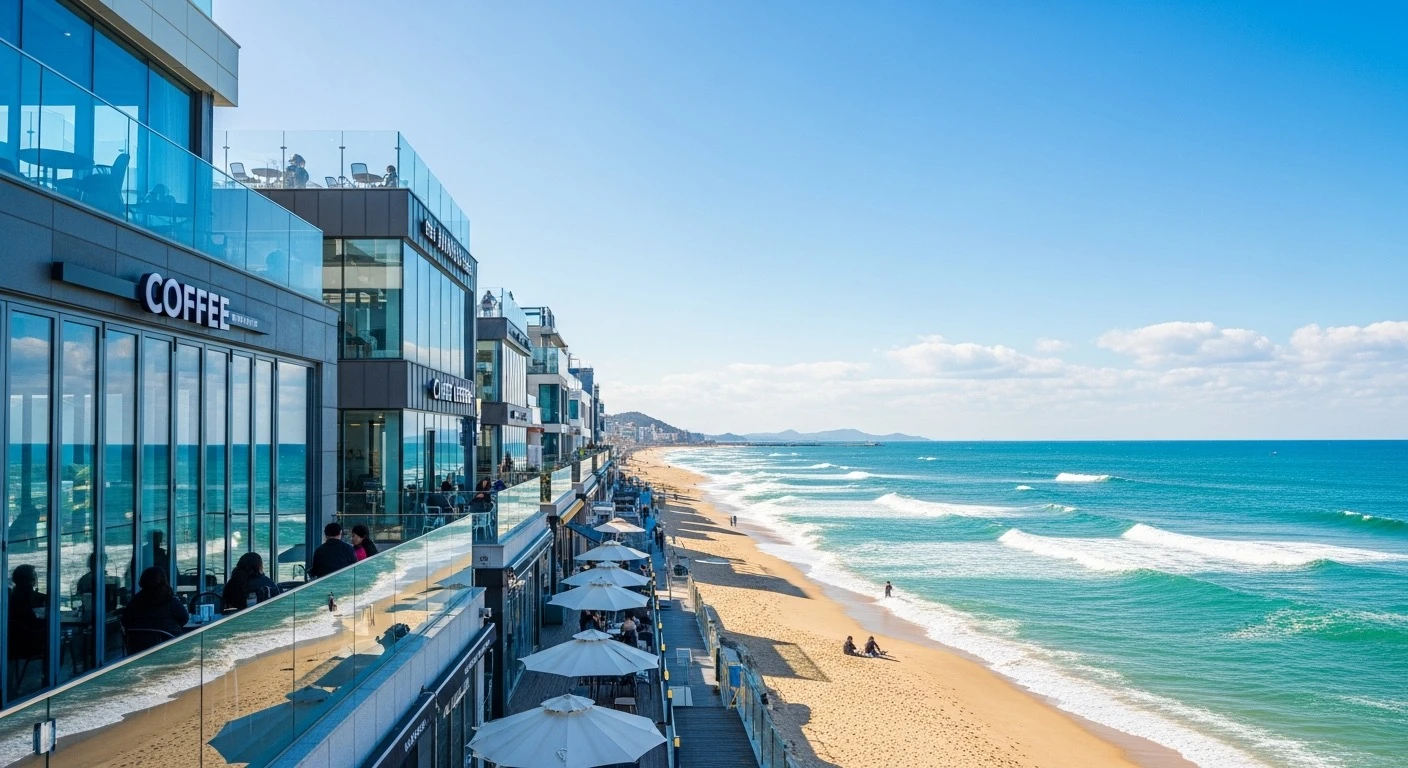
Korea’s East Coast is where Seoulites go when they need ocean, surf, and specialty coffee. The cities of Yangyang and Gangneung sit side by side on the coast and offer a completely different vibe from Seoul — think California beach town meets Korean fishing village.
How to Get There
The KTX bullet train from Seoul Station (or Cheongnyangni) to Gangneung Station takes about 1 hour 50 minutes and costs ₩27,600 one way. Book in advance on the Korail website or app — weekend trains sell out fast, especially in summer.
Express buses from Dong Seoul Terminal take about 2.5 hours and cost around ₩18,000.
What to See and Do
- Surfing at Yangyang (Surfyy Beach): Korea’s surf capital. Rental boards and wetsuits are available for beginners, with lessons starting around ₩50,000
- Anmok Coffee Street (Gangneung): A waterfront strip packed with specialty coffee shops. Gangneung takes its coffee seriously — this city hosts the annual Gangneung Coffee Festival
- Gyeongpo Beach: A long sandy beach perfect for walking, with views of the sunrise. The Gyeongpo Lake area behind the beach has cherry blossoms in spring
- Jeongdongjin: Famous for having the train station closest to the sea in the world. The sunrise here is iconic — but that’s really a reason to stay overnight
Practical Info
| Detail | Info |
|---|---|
| KTX fare (one way) | ₩27,600 |
| Express bus (one way) | ~₩18,000 |
| Best season | Summer (Jun–Aug) for beach, Spring (Apr) for cherry blossoms |
| Time needed | Full day minimum, overnight recommended |
| Round-trip transport | ~₩55,200 (KTX) or ~₩36,000 (bus) |
Honest note: You can do Gangneung as a day trip, but it feels rushed. If you can swing an overnight stay, you’ll enjoy it much more — especially for the sunrise at Jeongdongjin.
4. Incheon
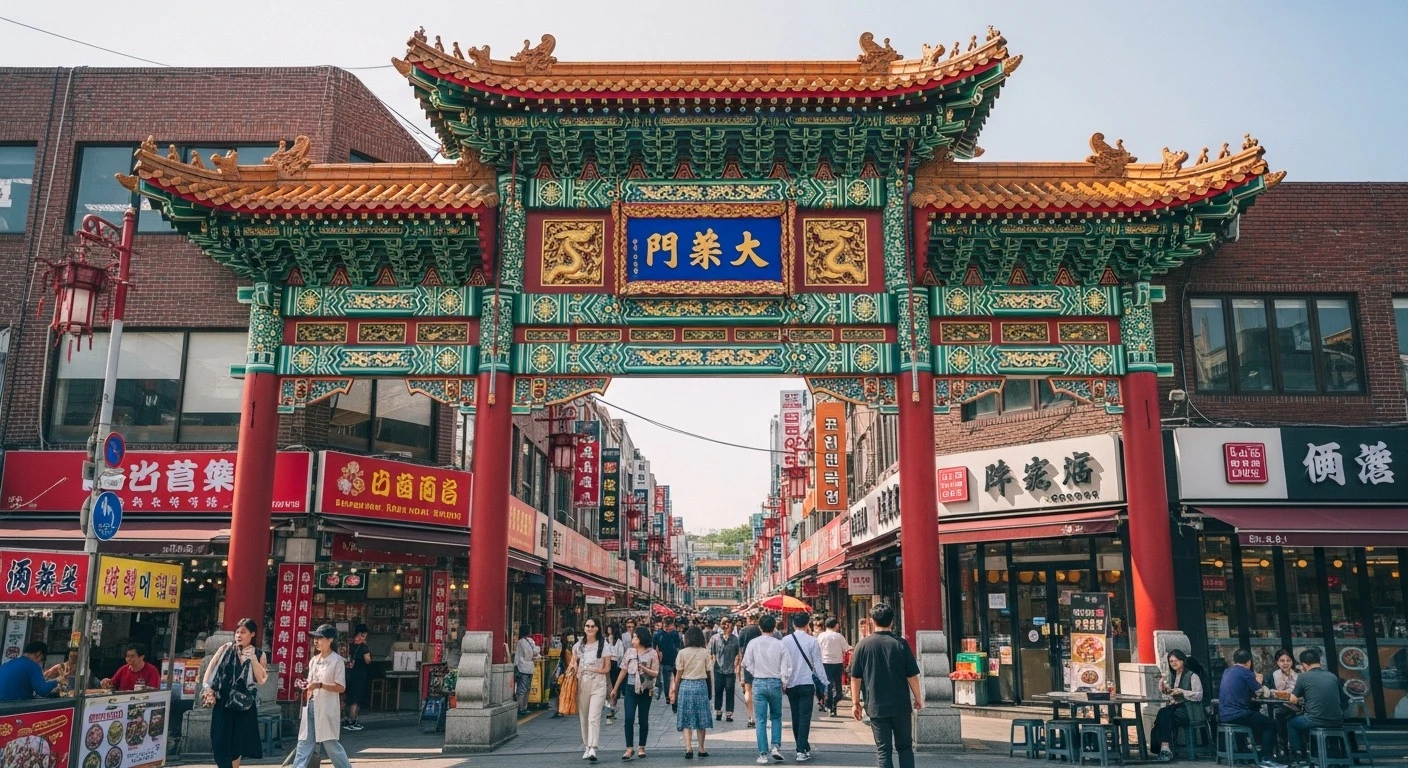
Most visitors only see Incheon Airport, which is a shame — the city itself has a fascinating history and some of the best jajangmyeon (black bean noodles) in the country. It’s also the closest and cheapest day trip on this list.
How to Get There
Take Seoul Metro Line 1 to Incheon Station (the final stop). It takes about 1 hour and costs ₩2,050. The AREX (Airport Railroad) from Seoul Station to certain Incheon destinations is another option if you want a faster ride.
What to See and Do
- Incheon Chinatown: Korea’s only official Chinatown, right outside Incheon Station. This is where jajangmyeon was invented — try it at one of the classic restaurants along the main street
- Songdo Central Park: A modern waterfront park with a canal you can kayak through, surrounded by sleek skyscrapers. It feels like a different country from Chinatown
- Wolmido Island: A seaside boardwalk area with amusement park rides, raw fish restaurants, and views of the port. Great for a casual afternoon stroll
- Jayu Park (Freedom Park): Korea’s first Western-style park, with views over the harbor and a statue of General MacArthur commemorating the Incheon Landing of 1950
Practical Info
| Detail | Info |
|---|---|
| Admission | Free (all main attractions) |
| Best season | Spring (Apr–May), Autumn (Oct–Nov) |
| Time needed | Half day to full day |
| Round-trip transport | ~₩4,100 (subway) |
| Must-eat | Jajangmyeon at Chinatown (~₩7,000–₩9,000) |
5. DMZ and Panmunjeom
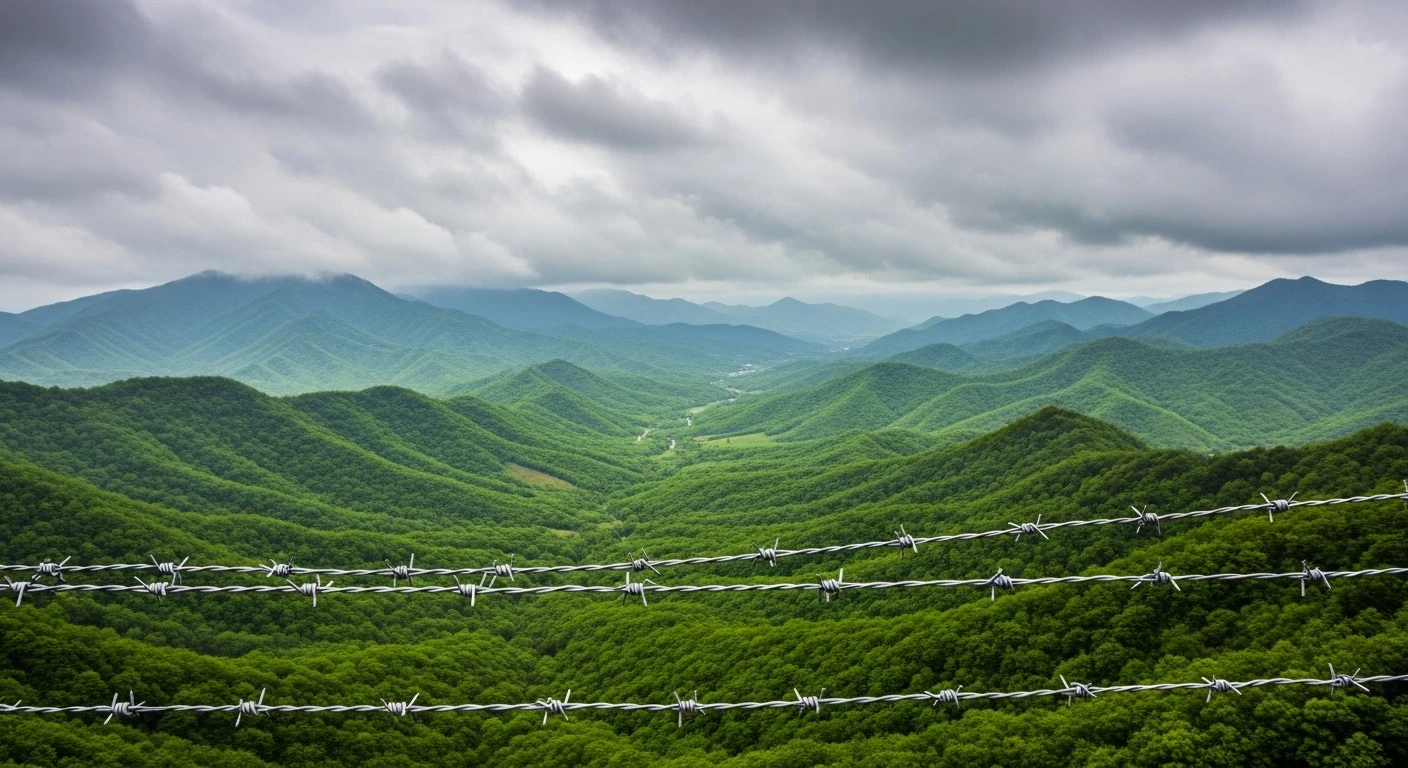
The Demilitarized Zone (DMZ) is one of the most surreal places on Earth — a 4 km-wide buffer zone separating North and South Korea that has been frozen in time since the 1953 armistice. Visiting gives you a perspective on Korean history that no museum can match.
How to Get There
You cannot visit the DMZ on your own. The area is an active military zone, and all visitors must join an authorized tour. Options include:
- USO Tours: Run by the United Service Organizations, these tours visit Panmunjeom (the Joint Security Area where North and South Korean soldiers stand face to face). Book well in advance — often 2–3 weeks ahead. Cost: ~₩85,000–₩130,000
- Private tour companies: Many agencies offer DMZ day tours from Seoul that include the Third Infiltration Tunnel, Dora Observatory, Dorasan Station, and Imjingak. Cost: ~₩50,000–₩80,000. Book through your hotel or online (Klook, Viator)
Tours depart from central Seoul (usually near City Hall or major hotels) in the morning and return by early afternoon.
What to See and Do
- Joint Security Area (JSA): The famous blue conference buildings where you can technically step into North Korea. Requires JSA-specific tour
- Third Infiltration Tunnel: Walk into a tunnel dug by North Korea for a potential invasion — it’s narrow, cold, and unforgettable
- Dora Observatory: Look into North Korea through binoculars. On clear days you can see Kaesong city and the giant North Korean flagpole
- Dorasan Station: A train station built for the day when the two Koreas reunify — currently the last stop before the North
Important Rules
- Passport required (not a copy — the original)
- Dress code: No flip-flops, sleeveless shirts, ripped jeans, or military-style clothing
- Photography: Restricted in many areas. Your guide will tell you where you can and cannot take photos
- No pointing or gesturing toward the North Korean side
- Age restriction: Children under 10 are typically not allowed on JSA tours
Practical Info
| Detail | Info |
|---|---|
| Tour cost | ₩50,000–₩130,000 depending on tour type |
| Duration | Half day (DMZ only) or full day (DMZ + JSA) |
| Best season | Year-round (but dress warmly in winter — the border is windy) |
| Booking | 2–3 weeks in advance for JSA; a few days for DMZ-only tours |
| Round-trip transport | Included in tour price |
6. Gapyeong
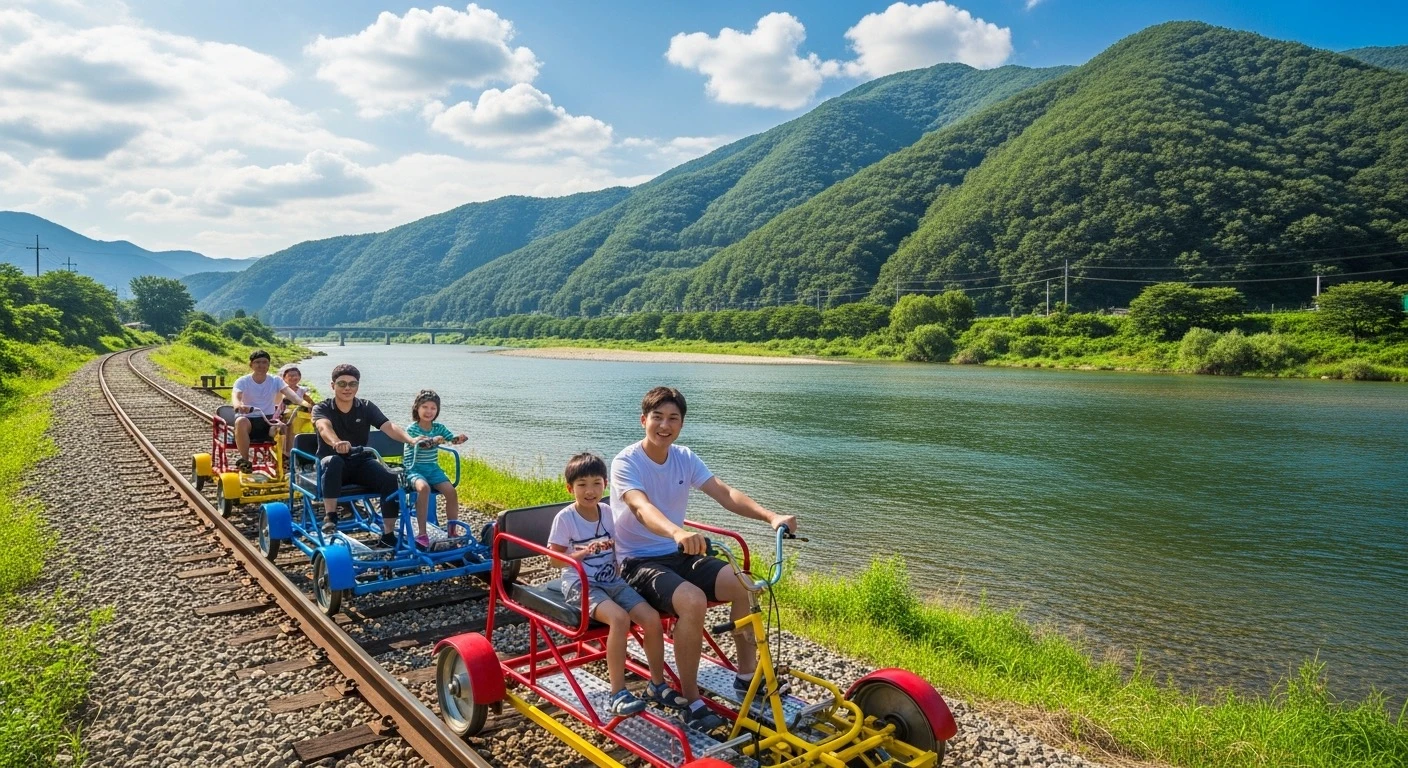
Gapyeong is often overlooked as a standalone destination because it’s closely associated with Nami Island. But the Gapyeong area has plenty to offer beyond Nami, and it pairs perfectly with a Nami Island visit for a packed day trip.
How to Get There
Same as Nami Island — take the ITX-Cheongchun or Gyeongchun Line to Gapyeong Station. Most attractions offer shuttle buses from the station, or you can use the hop-on hop-off Gapyeong City Tour Bus (₩8,000 for an all-day pass) that loops between the major sites.
What to See and Do
- Petite France: A quirky French-themed cultural village on a hillside overlooking a lake. It’s colorful, slightly bizarre, and great for photos. Also a filming location for the K-drama My Love from the Star
- Garden of Morning Calm (Achimgoyo Arboretum): One of Korea’s most beautiful gardens, with themed sections, winding paths, and seasonal flower displays. The winter light festival (December–March) is spectacular
- Gapyeong Rail Bike: Pedal a four-person rail bike along old railway tracks beside the Bukhan River. The 8 km course is flat and scenic — no fitness required
- Jaramwon Republic: If you love aquariums or exotic fish, this is a surprisingly large freshwater ecology park
Combining Nami Island + Gapyeong (Recommended Itinerary)
| Time | Activity |
|---|---|
| 8:00 AM | Depart Seoul (ITX-Cheongchun) |
| 9:15 AM | Arrive Gapyeong, take shuttle to Nami Island |
| 9:30 AM – 12:30 PM | Explore Nami Island |
| 12:30 PM | Ferry back, lunch near the wharf |
| 1:30 PM | Gapyeong City Tour Bus to Petite France or Garden of Morning Calm |
| 3:30 PM | Rail Bike (if time permits) |
| 5:00 PM | Return to Gapyeong Station |
| 5:30 PM | ITX back to Seoul |
Practical Info
| Detail | Info |
|---|---|
| Petite France admission | ₩12,000 |
| Garden of Morning Calm | ₩11,000 (₩13,000 during light festival) |
| Rail Bike | ₩30,000 per rail bike (seats 2–4 people) |
| Gapyeong Tour Bus | ₩8,000 all-day pass |
| Best season | Autumn (Oct–Nov), Winter light festival (Dec–Mar) |
| Round-trip transport | ~₩9,600 (ITX) or ~₩4,000 (subway) |
Day Trip Comparison Table
| Destination | Travel Time | Round-Trip Cost | Best Season | Difficulty |
|---|---|---|---|---|
| Nami Island | 1.5 hours | ₩9,600 (ITX) | Autumn, Winter | Easy |
| Suwon Hwaseong | 1 hour | ₩4,100 (subway) | Spring, Autumn | Easy |
| Gangneung | 2 hours | ₩55,200 (KTX) | Summer, Spring | Moderate |
| Incheon | 1 hour | ₩4,100 (subway) | Spring, Autumn | Easy |
| DMZ | Tour-dependent | ₩50,000–₩130,000 | Year-round | Easy (guided) |
| Gapyeong | 1.5 hours | ₩9,600 (ITX) | Autumn, Winter | Easy |
Difficulty ratings:
- Easy: Straightforward public transit, no planning headaches, walkable attractions
- Moderate: Longer travel time, benefits from advance planning or overnight stay
Practical Tips for Day Trips From Seoul
- Get a T-money card. It works on subways, buses, and even taxis. Essential for Suwon, Incheon, and the Gyeongchun Line to Gapyeong.
- Book KTX tickets in advance. Weekend trains to Gangneung sell out fast, especially during cherry blossom and summer seasons. Book through the Korail app or website.
- Start early. Most day trips work best when you leave Seoul by 8:00–9:00 AM. This gives you maximum time at your destination and avoids evening rush-hour crowds on the way back.
- Download Naver Map or KakaoMap. Google Maps works poorly in Korea. These local apps give you accurate transit directions, real-time bus arrivals, and walking navigation.
- Pack light. You’ll be walking a lot. A small backpack with water, sunscreen (summer), and a portable charger is all you need.
- Check the weather. Korea has four distinct seasons, and weather can change quickly. Rain gear in summer (monsoon season: July–August) and layers in spring/autumn are smart moves.
- Learn one phrase. “이거 얼마예요?” (Igeo eolmayeyo?) means “How much is this?” — useful at food stalls and markets everywhere.
Planning a day trip from Seoul? Drop a comment below and we’ll help you pick the perfect destination for your schedule!